NEW DELHI — Secretary of State Marco Rubio, speaking from India during a pivotal diplomatic mission, declared that the immediate and permanent reopening of the Strait of Hormuz remains a non-negotiable priority for the United States, labeling Iran’s disruption of the critical global energy chokepoint as “unlawful, illegal, unsustainable for the world, and unacceptable.”
Rubio’s forceful remarks coincided with his confirmation that substantive, sit-down negotiations between American and Iranian representatives are concurrently underway in Qatar. Diplomatic teams are currently “working through the language” of a preliminary framework, although Rubio emphasized that finalization could require additional time. Reaffirming the central tenet of President Donald Trump’s foreign policy, the Secretary stressed that the administration’s position is steadfast: the United States demands “a good deal or no deal.”
However, the delicate diplomatic dance in Doha was sharply punctuated by kinetic action in the Persian Gulf. Even as negotiators broke for consultations, U.S. Central Command (CENTCOM) announced that American forces had executed what it termed “precision self-defense strikes” inside southern Iran.
Captain Tim Hawkins, a CENTCOM spokesperson, said the military operation specifically targeted advanced missile facilities and Iranian assets positively identified as preparing naval mining operations near critical maritime lanes. The Pentagon categorized these strikes as necessary defensive measures, designed to protect U.S. personnel and assets operating in the region while technically maintaining the broader, tenuous cease-fire framework.
A senior defense official provided further context, revealing that U.S. aircraft and naval vessels monitoring the Gulf of Oman and Arabian Sea had encountered direct “hostile tracking” from Iranian surface-to-air missile systems. The retaliatory U.S. strikes were centered near Bandar Abbas, a crucial Iranian naval hub, signaling a robust and dynamic implementation of the administration’s “maximum pressure” campaign.
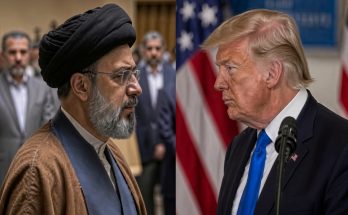
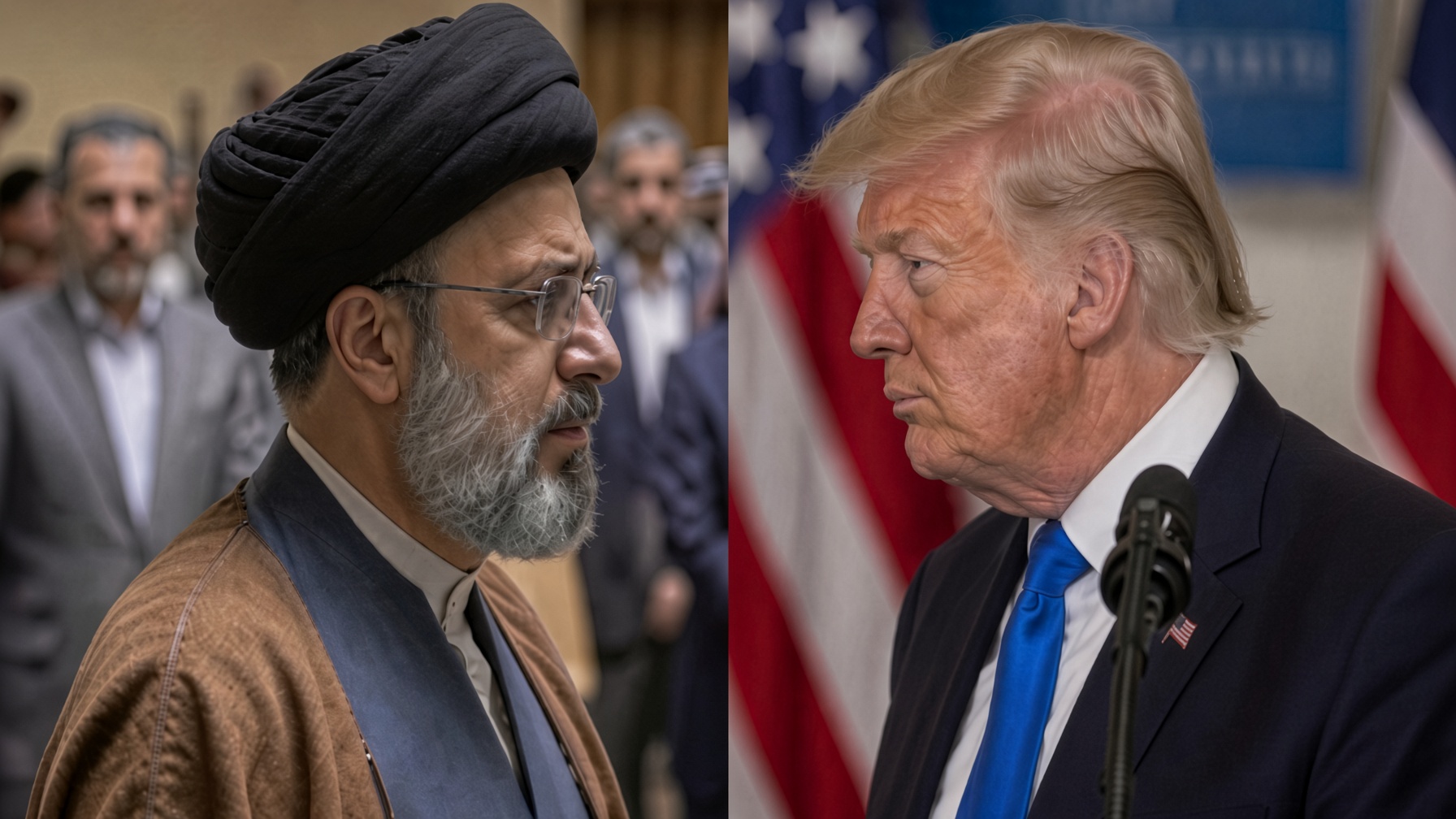
Despite this military escalation, both Washington and Tehran appeared determined to preserve the diplomatic channel in Qatar. Iranian Foreign Ministry spokesperson Esmaeil Baqaei acknowledged that “areas of understanding” have been reached on several key impediments, though he cautioned that a final consensus remains elusive. In an expected rhetorical counter, Baqaei also accused Washington of introducing new variables and shifting its positions as the deadline for a preliminary document approached.
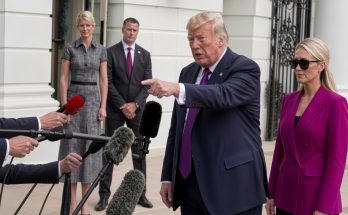
Back in Washington, President Trump reinforced his negotiator’s stance, promising that any future compact with Iran would be “good and proper,” and again contrasting his approach with the 2015 Joint Comprehensive Plan of Action (JCPOA) negotiated by the Obama administration.
Trump has long argued that the 2015 deal granted Tehran significant economic relief without creating permanent, verifiable guarantees that Iran would never attain nuclear weapons capability.
A senior U.S. administration official outlined the core components of the proposed framework currently under review. The deal would require Iran to effectively “zero out” its existing stockpile of highly enriched uranium, guarantee the unrestricted reopening of the Strait of Hormuz, and accept rigorous, multi-decade limits on future uranium enrichment activities. In a staged exchange, the United States would reportedly agree to end its current naval blockade of Iranian ports and initiate a phased reduction of specific economic sanctions.
Officials indicated that while the macro-level political hurdles have largely been cleared “in principle,” the negotiations are now centered on complex technical definitions, verification protocols, and, crucially, robust enforcement measures.
Securing a long-term, verification-intensive agreement that permanently prevents Iran from exceeding nuclear thresholds remains the administration’s top priority. Robust enforcement, labeled as non-negotiable by U.S. officials, is seen as the central safeguard missing from previous agreements.
The Trump administration maintains that recent military pressure, including the Bandar Abbas strikes, has significantly sharpened Iran’s willingness to engage. If successfully completed, this agreement would implement markedly stricter limitations on Iran’s nuclear ambitions than the 2015 accord, reflecting the White House’s push for a broader, more durable, and more enforceable regional settlement.