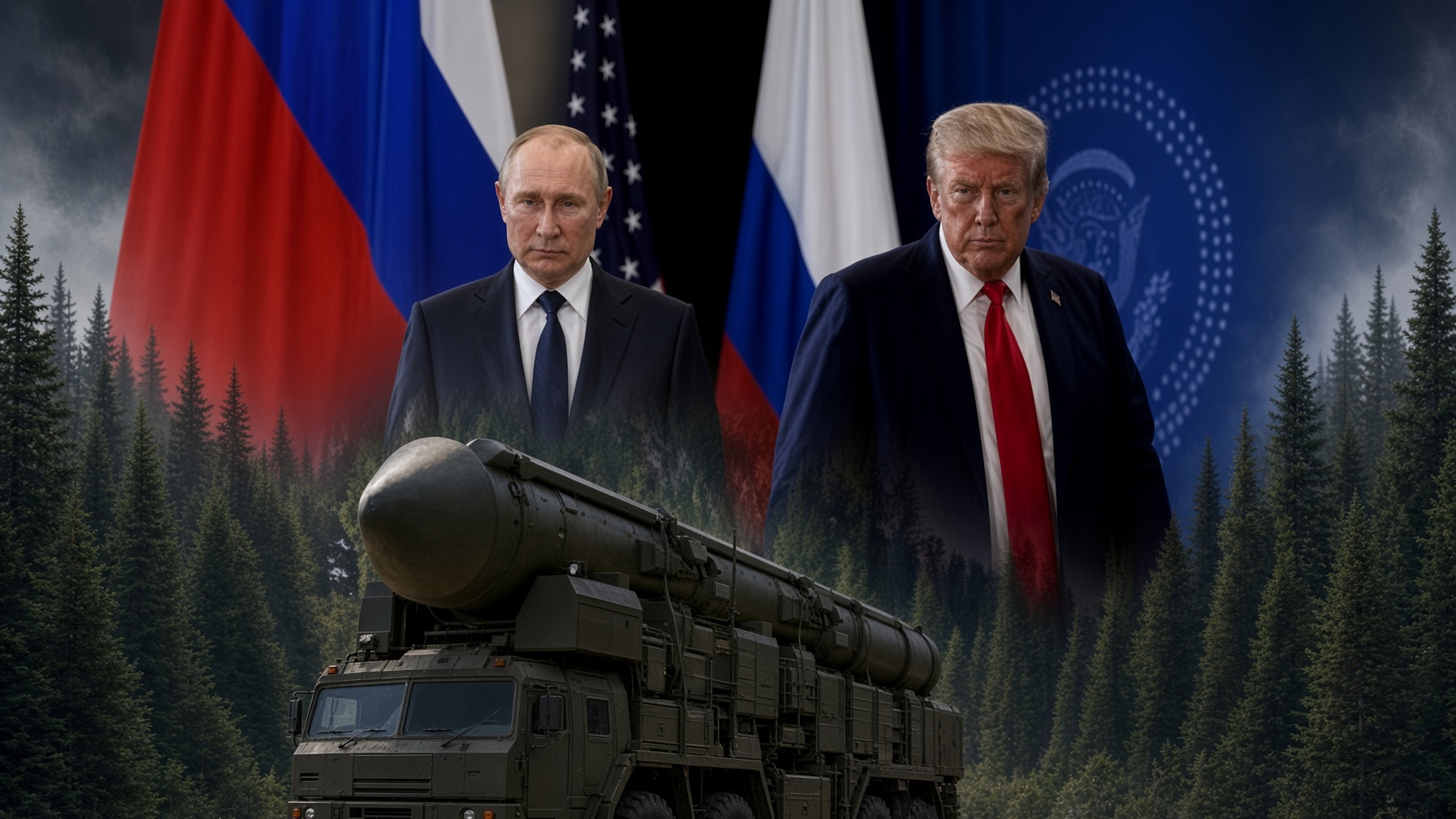
BRUSSELS — Diplomatic missions and defense ministries worldwide are closely scrutinizing reports detailing the emergence of a 13-nation defense coalition, an initiative that comes amid an increasingly fractured global security architecture defined by great-power competition, accelerated rearmament, and mounting regional friction.
The reported alignment surfaces as long-standing multilateral frameworks face acute strain, prompting states to explore ad-hoc, minilateral defense pacts to shore up deterrence and hedge against systemic instability.
Coalition Emerges Amid Global Security Strain
Heightening the geopolitical stakes, unverified imagery circulating across digital networks and open-source intelligence channels reportedly depicts heavy mobile missile transporter-erector-launchers (TELs) staging alongside high-ranking diplomatic and defense delegations at an undisclosed multilateral security summit. While sovereign foreign ministries have yet to issue unified declarations confirming the specific operational charter or the complete roll of signatories, the public projection of combined political authority and advanced strike capabilities has catalyzed intense debate across security circles.
Deterrence Architecture or Blocs in Formation?
According to preliminary briefings from regional defense interlocutors, the 13-state framework is structured primarily around collective deterrence, early-warning integration, and joint operational readiness rather than an expeditionary offensive mandate.
Proponents characterize the arrangement as a defensive safeguard designed to protect vital maritime corridors, deter regional revisionism, and streamline command interoperability among participating militaries. Areas of collaboration reportedly encompass coordinated air and missile defense architecture, secure telecommunications interoperability, cross-border intelligence pooling, and joint logistics staging.
Nevertheless, seasoned defense strategists caution that the codification of a 13-member security pact inevitably produces external geopolitical ripples. In a climate where traditional arms-control accords have largely deteriorated, the formation of mid-sized military coalitions can alter balance-of-power calculations for non-participating regional actors, potentially triggering security dilemmas where defensive posturing by one group is perceived as encirclement by another.
The Signaling of Mobile Strike Platforms
The prominent appearance of advanced long-range missile platforms in associated imagery has drawn particular attention from military analysts. Heavy transporter systems equipped with long-range ballistic or cruise missile canisters represent the cornerstone of modern standoff deterrence, offering high battlefield survivability, rapid displacement capability, and deep-strike reach.
Displaying such high-end kinetic assets during a multilateral ministerial gathering is widely viewed not merely as an incidental military escort, but as calibrated strategic communications. In modern statecraft, the visible pairing of political summits with heavy weaponry serves as a demonstrative exhibition of industrial-defense capacity, technological sophistication, and operational readiness.
Such public signaling, however, carries inherent escalatory risks. Strategic monitors note that during periods of low diplomatic trust, conspicuous displays of offensive-capable hardware can complicate verification regimes, heighten alert statuses among neighboring states, and incentivize accelerated counter-deployments, narrowing the margin for crisis management.
Diplomatic Pushback and De-escalation Channels
The emergence of the coalition has raised red flags among international mediators and non-aligned states fearful of an accelerating drift toward rigid geopolitical blocs.
Diplomats in major capitals have reiterated calls for restraint, urging participating capitals to maintain established crisis-communication hotlines and transparent confidence-building measures. The primary concern among international observers is that ambiguous multilateral defense obligations can lower the threshold for unintended escalation: a peripheral dispute or localized maritime skirmish involving one member state could inadvertently draw a wider coalition of nations into direct military engagement.
A Fluid Strategic Horizon
For global markets and the international public, the reported coalition adds another layer of unpredictability to an already volatile macroeconomic and geopolitical environment. From energy transit corridors to commercial maritime lanes, financial analysts are monitoring how enhanced military alignments might affect supply-chain resilience and sovereign risk premiums.
Whether this 13-nation arrangement evolves into a formalized, treaty-bound defense alliance akin to a regional command structure, remains a flexible consultative working group, or recalibrates in response to diplomatic pushback remains to be seen.
What remains indisputable is the heightened fragility of contemporary international relations: in an era marked by rapid rearmament and systemic realignments, the mere emergence of a coordinated multilateral defense grouping is enough to alter strategic calculations and reset the terms of global security.