
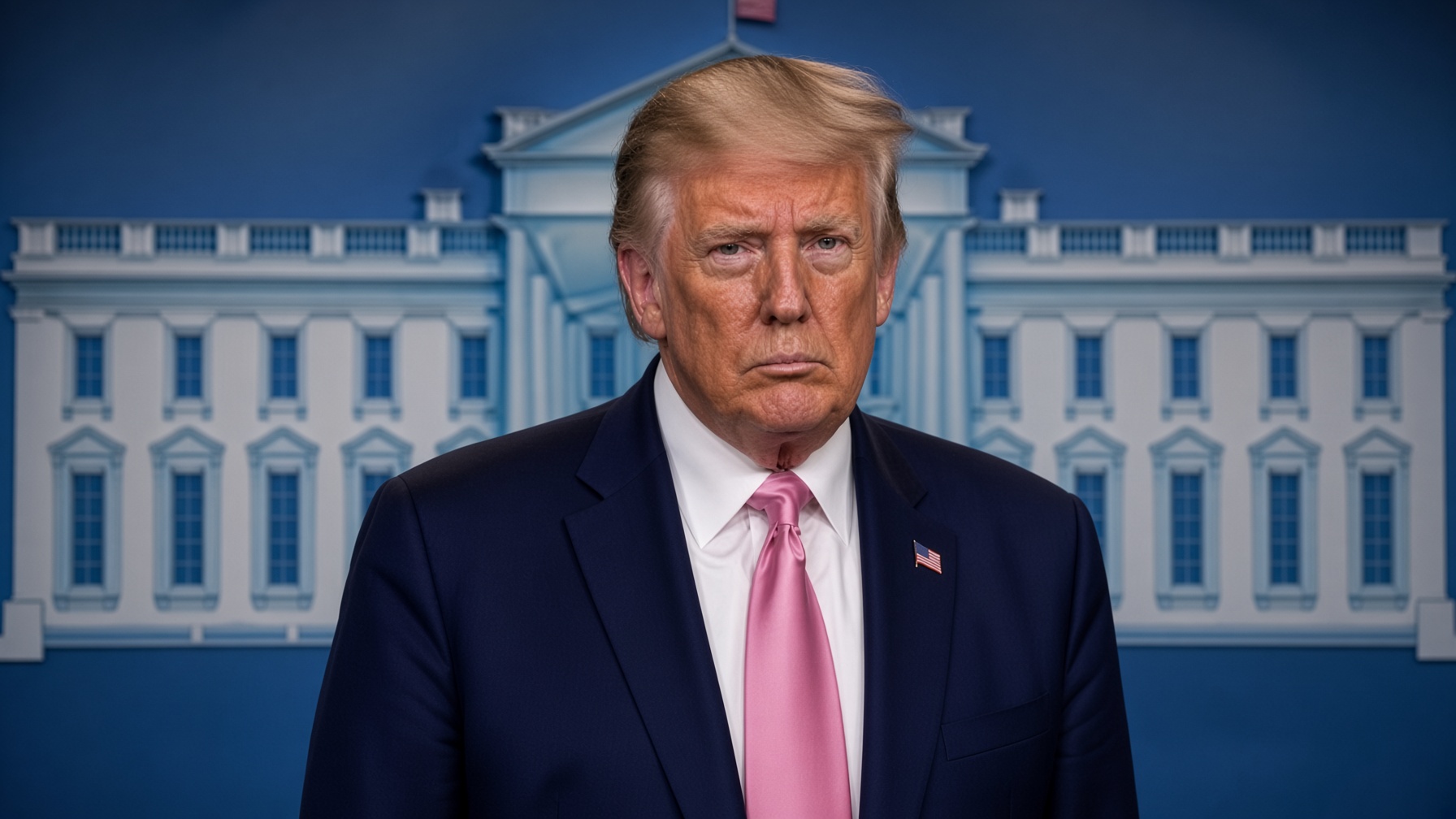
WASHINGTON — The Trump administration’s expanded federal law enforcement presence in Washington, D.C., has intensified the national debate over public safety, crime reduction and the balance of power between federal and local authorities.
The initiative was launched amid administration concerns about crime in the nation’s capital. Federal officials have said the effort is intended to increase coordination among law enforcement agencies, address violent and property offenses, and strengthen public safety in neighborhoods, public spaces and other heavily visited areas.
The administration’s broader strategy has included additional federal personnel, cooperation with the Metropolitan Police Department and the creation of task-force operations focused on crime and public order. The White House has described the approach as an effort to restore safety and ensure that the capital remains secure for residents, workers and visitors.
Administration Highlights Enforcement Efforts
Federal officials have pointed to increased prosecutions, arrests and firearm seizures as evidence of expanded enforcement activity. In August, the U.S. Attorney’s Office for the District of Columbia reported that prosecutions in D.C. Superior Court had increased and that law enforcement agencies had removed nearly 2,000 illegal firearms from the streets during the previous year.
Officials attributed those figures to cooperation between federal agencies and local police, including efforts targeting violent offenders, firearms violations, criminal networks and property crimes.
The administration has also maintained a National Guard presence in the city. Guard members have participated in public-safety support activities, emergency assistance and other duties, although their legal authority and responsibilities differ from those of sworn police officers.
Supporters of the federal intervention argue that a more visible law enforcement presence can reassure residents, deter certain offenses and improve coordination among agencies operating in the District.
Residents and Advocates Raise Concerns
The expanded federal role has also generated criticism from local officials, civil rights organizations and community advocates.
Some residents and advocacy groups have questioned whether the increased presence has produced measurable reductions in serious crime. A Reuters investigation reported that National Guard troops had generally played a limited role in criminal cases and that their impact on violent crime remained difficult to establish.
Other critics have expressed concerns about accountability, transparency and the effect of heightened enforcement on immigrant communities and other vulnerable populations. They have called for clearer information about which agencies are conducting operations, what authority officers possess and how complaints involving federal personnel are investigated.
The District of Columbia’s Police Complaints Board and Office of Police Complaints have issued reports and recommendations concerning oversight of federal officers working alongside the Metropolitan Police Department. The agencies emphasized the importance of transparency and maintaining public confidence during the expanded cooperation.
Questions Over Home Rule and Federal Power
The controversy also reflects Washington’s unusual legal and political status. Unlike states, the District of Columbia operates under congressional authority, while maintaining an elected mayor, council and local government.
That structure gives the federal government a more direct role in the capital’s affairs than it has in most American cities. As a result, debates over federal policing in Washington frequently involve broader questions about home rule, constitutional authority and the division of responsibilities between local and national institutions.
Mayor Muriel Bowser and other D.C. officials have argued that crime was already declining before the federal intervention and have questioned the extent to which the administration’s policies should receive credit for subsequent changes.
Debate Continues
As federal operations continue, officials, residents and advocacy groups are monitoring crime statistics, enforcement practices and community responses.
The central debate remains whether the expanded federal presence can deliver sustained improvements in public safety while preserving transparency, civil liberties and local accountability. Further assessments will likely depend on independently verified crime data, documented enforcement outcomes and ongoing legal and political review.