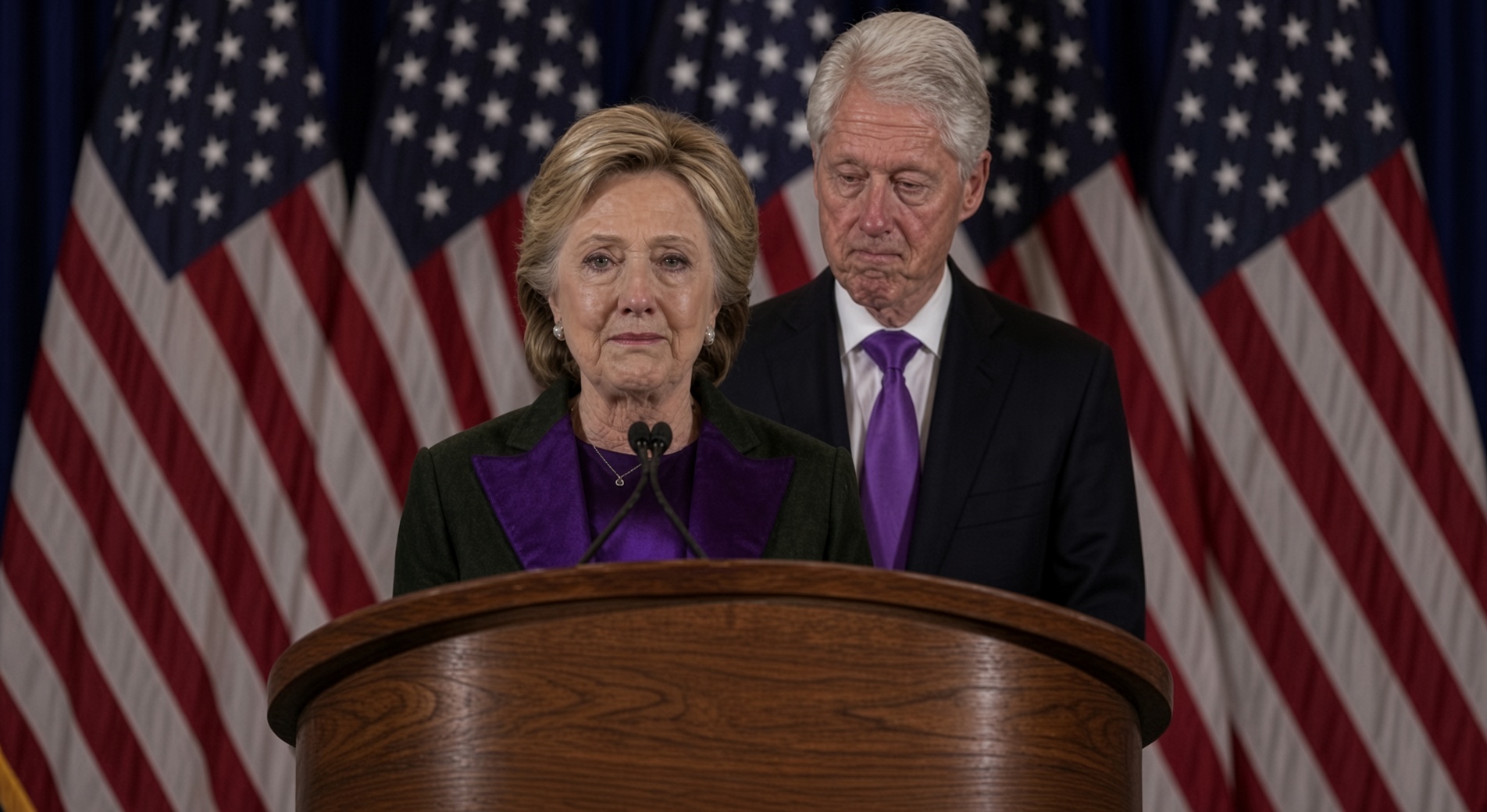
WASHINGTON — President Donald Trump reignited a long-running political controversy after sharing a video on Truth Social that revisited unsubstantiated claims about the deaths of several people who had connections to former President Bill Clinton and former Secretary of State Hillary Clinton.
The video, titled “THE VIDEO HILLARY CLINTON DOES NOT WANT YOU TO SEE,” presented a series of deaths as suspicious and suggested connections between the individuals and the Clintons. Trump shared the video without providing an independent explanation or evidence establishing that the Clintons were responsible for any of the deaths. The post was reported on May 17, 2025.
The material quickly drew attention because it revived what has commonly been called the “Clinton body count” conspiracy theory, a collection of allegations that has circulated for decades despite a lack of credible evidence establishing that Bill or Hillary Clinton orchestrated the deaths referenced in the theory.
Deaths Highlighted in the Video
Among the people referenced was John F. Kennedy Jr., who died in July 1999 when the aircraft he was piloting crashed into the Atlantic Ocean near Martha’s Vineyard. Kennedy had been discussed publicly as a possible candidate for political office in New York, and later speculation attempted to connect his death to Hillary Clinton’s political ambitions.
No credible evidence has established that the Clintons were responsible for Kennedy’s death. The circumstances of the crash have been investigated, and the conspiracy theory has been repeatedly challenged by fact-checkers.
The video also referenced Vince Foster, a former White House deputy counsel and longtime Clinton associate who died in July 1993. Foster’s death was officially ruled a suicide, but it became one of the earliest and most persistent subjects of speculation surrounding the Clintons.
Another individual featured was Mary Mahoney, a former White House intern who was fatally shot during a robbery at a Washington, D.C., Starbucks in 1997. Her death has also been incorporated into versions of the broader conspiracy narrative.
Seth Rich and Other Names
The video further highlighted Seth Rich, a Democratic National Committee employee who was shot and killed in Washington in July 2016.
Rich’s death became the subject of widespread online speculation after the 2016 WikiLeaks publication of Democratic National Committee emails. Some commentators alleged, without established evidence, that Rich had provided the material to WikiLeaks and that his death was connected to the disclosures.
The video also referenced other deaths, including those of James McDougal and former White House chef Walter Scheib, presenting them as part of a broader pattern.
However, listing people who had some connection to the Clintons does not itself establish a causal relationship between those relationships and their deaths.
A Conspiracy Theory With a Long History
The broader “Clinton body count” narrative has circulated since the 1990s and has repeatedly resurfaced during periods of heightened political conflict.
Fact-checking organizations have examined various versions of the theory over the years and found no credible evidence establishing that the Clintons were responsible for the deaths attributed to them. Snopes has documented the rumor as a longstanding political conspiracy theory, while other investigations have similarly found that the allegations lack substantiation.
That history is significant because the individual deaths referenced in the video involved very different circumstances, including accidents, officially determined suicides, homicides and natural or accidental deaths.
Political Impact
Trump’s decision to share the video nevertheless brought renewed attention to the allegations because of his longstanding political rivalry with Hillary Clinton.
The post demonstrated how claims that have circulated for decades can quickly return to the national conversation when amplified by prominent political figures and social-media platforms.
Supporters of Trump have viewed the video as raising questions they believe deserve greater scrutiny, while critics have pointed to the absence of evidence connecting the Clintons to the deaths as a reason to reject the allegations.
The distinction between those positions is important: the existence of questions or speculation does not establish criminal responsibility.
For the individuals named in the video, their deaths remain historical events that occurred under circumstances documented by authorities and investigators. No credible evidence presented in the video establishes that Bill or Hillary Clinton ordered, coordinated or carried out any of those deaths.
The controversy therefore centers less on new evidence than on the renewed circulation of an old political narrative.
As the video continues to circulate online, the central issue remains the same one that has surrounded the “Clinton body count” allegations for decades: whether verifiable evidence exists to connect the Clintons to the deaths being cited.
To date, credible evidence establishing such a connection has not been demonstrated.