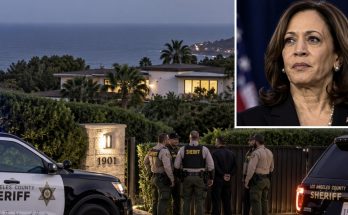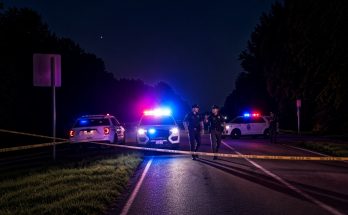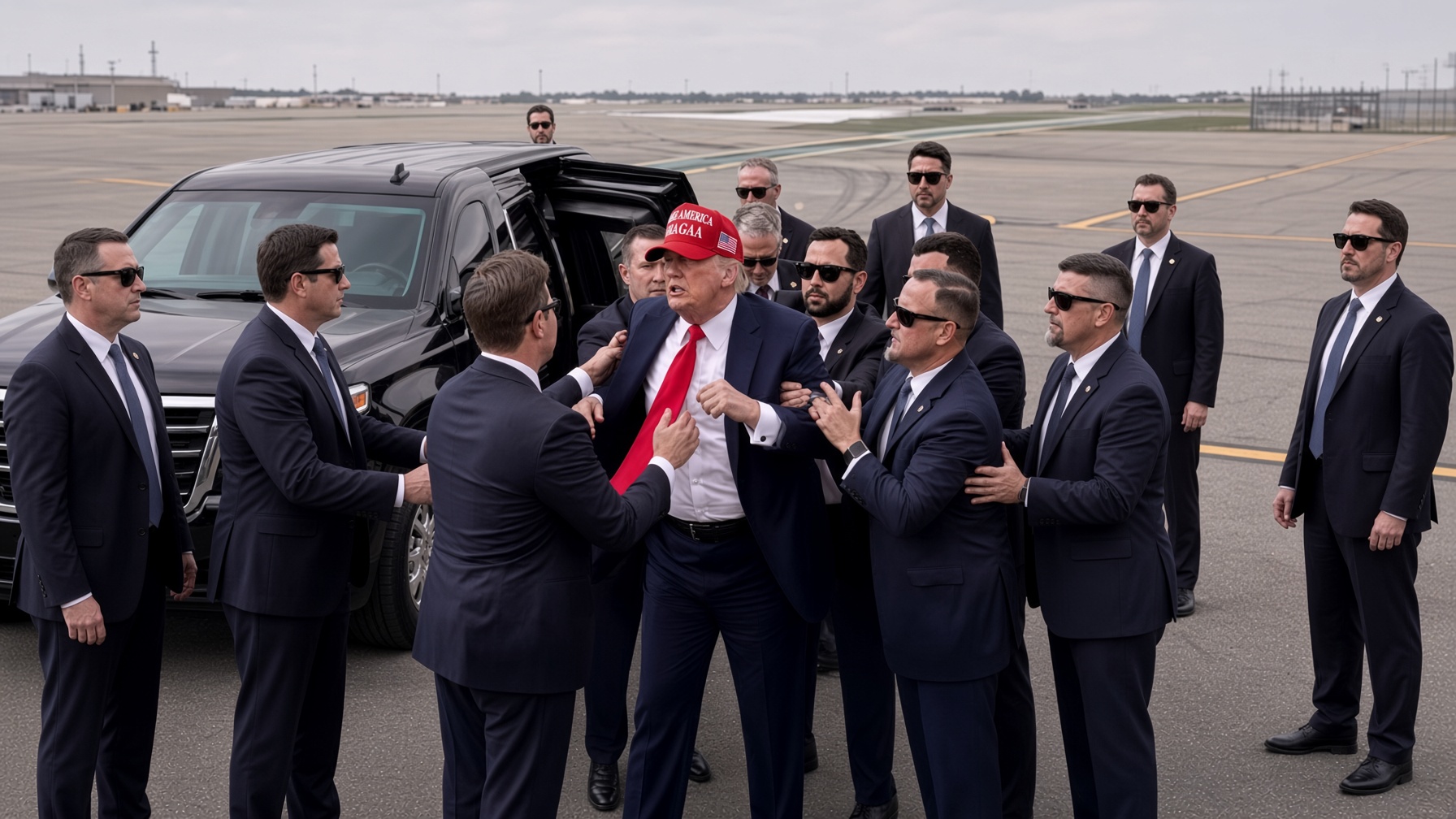
A viral claim that President Donald Trump had been “shot again” in Washington, D.C., triggered a wave of concern across social media, but no credible evidence has emerged to support the allegation. As the claim spread online, dramatic posts and headlines appeared to suggest that Trump had been the target of another shooting. However, searches of current news reporting and available official information found no credible report of a new shooting involving Trump in Washington or elsewhere on September 23, 2026. No verified announcement from federal authorities has established that Trump was shot, and major news organizations have not reported a new attack against him. The absence of confirmation is particularly significant for an allegation involving a sitting president, which would ordinarily generate an immediate response from federal law-enforcement and White House officials. The viral claim therefore remains unsupported.
The episode highlights how quickly unverified claims involving high-profile political figures can spread online. Posts can be republished with new captions, old video can be presented as recent footage, and photographs from unrelated security incidents can be used to create the appearance of a new emergency. Once shared across multiple platforms, the repetition itself can make an unverified claim appear credible even when no independent evidence exists. That pattern is particularly significant when the subject is Donald Trump, who has faced several genuine security incidents in recent years. Users encountering dramatic “breaking news” claims should look for confirmation from multiple established news organizations and official agencies before sharing them. A screenshot, social-media post or short video does not establish when or where an event occurred.
Understanding the Context of Past Incidents
The latest rumor should not be confused with the documented assassination attempt against Trump at a campaign rally in Butler, Pennsylvania, on July 13, 2024. The FBI identified Thomas Matthew Crooks as the gunman and said the shooting was being investigated as an assassination attempt. Trump was injured during the attack, while one rally attendee was killed and two others were critically injured. Crooks was subsequently killed by a Secret Service counter-sniper. The FBI later continued a detailed investigation into the attack, examining evidence, interviewing witnesses and reviewing thousands of pieces of digital information connected to the shooting. That incident remains part of the documented record and provides important context for understanding why reports of another attack can generate immediate public concern.
There have been genuine security incidents near Trump since the Butler attack, but those events should not be conflated with the current viral claim. In May 2026, a gunman opened fire near a Secret Service checkpoint outside the White House. Secret Service personnel returned fire and killed the suspect. Trump was inside the White House at the time, but the agency said no protectee was affected. A bystander was also wounded. That incident was extensively reported and generated an official law-enforcement response. More recently, on September 19, a man drove onto a sidewalk near the White House and reportedly demanded to speak with Trump. The Secret Service investigated the incident, and authorities found no suspicious items in the vehicle. Trump was not at the White House at the time, according to reporting on the incident.
Why Viral Claims Matter
False reports of violence against political figures can have consequences beyond social-media confusion. They can create unnecessary fear, overwhelm information channels and make it harder for the public to distinguish genuine emergencies from fabricated or recycled material. The speed of modern social media makes verification especially important. A post can reach thousands of people before journalists or authorities have had an opportunity to establish what actually happened. For an event as serious as an alleged shooting of a president, credible confirmation should come from authoritative sources rather than anonymous accounts or posts using phrases such as “breaking” or “urgent.”
Based on the information currently available, there is no verified evidence that Donald Trump was shot again in Washington, D.C., or elsewhere on September 23, 2026. The claim appears to be an unsupported social-media rumor rather than a confirmed news event. The distinction between documented incidents and viral allegations is critical. Trump was genuinely injured in the 2024 Butler assassination attempt, and there have been other real security incidents near the White House since then. But those facts do not provide evidence that a new shooting occurred today. For now, readers should treat posts claiming that Trump has been “shot again” as unverified and rely on official statements and established news organizations for any confirmed developments.