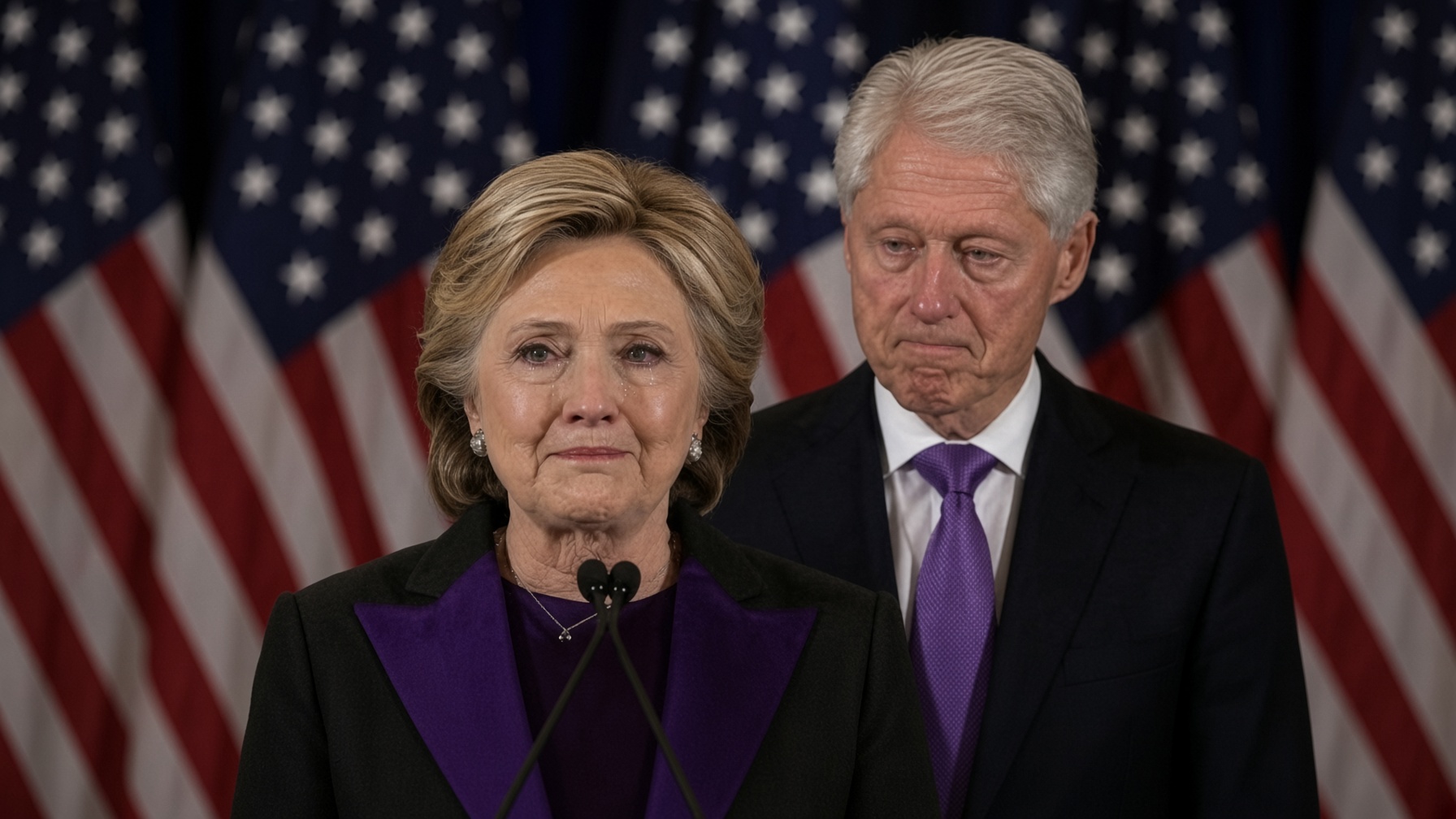
WASHINGTON — Hillary Clinton has paid an emotional tribute to Gloria Steinem following the death of the pioneering feminist writer and activist, describing herself as “heartsick” while remembering a woman whose influence stretched across generations of American life.
Steinem died September 2 at her home in New York City at the age of 92, according to her foundation. Her death prompted tributes from political leaders, writers, entertainers and activists who credited her with helping transform the national conversation about women’s equality. A cause of death was not immediately provided.
For Clinton, the loss was also deeply personal.
Speaking on CBS Mornings, the former secretary of state recalled first becoming aware of Steinem’s work during the 1960s and 1970s, when the women’s movement was challenging long-established restrictions on women in education, employment and public life.
Clinton said she was “heartsick” over Steinem’s death and described her as one of the architects of the structure of women’s equality.
Clinton and Steinem’s relationship developed over decades of political and social change.
Steinem became one of the most recognizable figures of the modern women’s movement through her journalism, public speaking and organizing. She helped bring issues including workplace discrimination, reproductive rights, political participation and gender equality into mainstream public discussion.
She also co-founded Ms. magazine, which became an influential platform for feminist writing and commentary, and helped establish organizations dedicated to advancing women’s political participation.
Clinton’s own career unfolded during the period of social change Steinem helped shape. She became a lawyer, first lady of Arkansas and the United States, U.S. senator, secretary of state and, in 2016, the first woman nominated for president by a major U.S. political party.
Their careers were different, but their public work repeatedly intersected around questions concerning women’s opportunities and participation in American society.
One of the most personal elements of Clinton’s tribute was her recollection of visiting Steinem at her home during the year before her death.
Clinton described the conversation as an especially meaningful encounter. Despite the challenges facing the women’s movement and broader society, she remembered Steinem as an optimist who continued to believe in the possibility of progress.
“She was at heart an optimist,” Clinton said, describing Steinem’s activism as rooted in optimism and calling that outlook a moral choice.
The memory offered a glimpse beyond Steinem’s public reputation. Rather than remembering only the famous activist and writer, Clinton spoke about a longtime friend whose perspective remained important to her.
Steinem’s influence was not limited to a single political era.
Beginning in the 1960s, she became an increasingly prominent advocate for women’s equality. Her work addressed discrimination, reproductive freedom, economic opportunity and women’s participation in political life.
Her activism sometimes generated disagreement, including debates within the broader women’s movement, but she remained a prominent public voice for decades.
The Associated Press described Steinem as one of the most visible symbols of the U.S. women’s movement, noting that she continued advocating for equality for six decades.
She was also recognized beyond the feminist movement. In 2013, President Barack Obama awarded Steinem the Presidential Medal of Freedom, the nation’s highest civilian honor.
Clinton’s reflections also placed Steinem’s career within a broader history of changing opportunities for women.
Clinton recalled that when she was younger, women could still encounter schools, jobs and scholarships that excluded them. Steinem’s work, she said, helped make those experiences part of a larger national conversation about equality.
For Clinton, Steinem’s importance was therefore not simply about individual achievements. It was about the way her writing and activism helped give language and visibility to experiences shared by many women.
That influence extended into politics, journalism, education and other fields.
Clinton was among numerous prominent figures who publicly remembered Steinem after her death.
Former Vice President Kamala Harris, former first lady Jill Biden, Oprah Winfrey and other public figures also issued tributes. Their statements reflected the breadth of Steinem’s influence, from political activism to popular culture and journalism.
Many emphasized not only Steinem’s public accomplishments but also her encouragement of younger generations.
Clinton similarly urged young women to continue engaging with the issues Steinem spent decades addressing, emphasizing that the work did not end with her death.
For Clinton, Steinem’s death represents the loss of a friend as well as the passing of one of the most recognizable figures associated with the modern women’s movement.
Her tribute also reflects the way major historical figures can become woven into personal lives. For Clinton’s generation, Steinem was not simply a name in newspapers or a prominent activist. She was part of a period of profound social change that shaped the opportunities available to women who followed.
Steinem’s death closes one chapter of that history, but her writing, organizations and public arguments remain part of the continuing discussion over equality.
Clinton’s response was ultimately both personal and historical: she mourned someone she knew and admired while recognizing the larger impact of a woman whose voice helped change how generations of Americans discussed women’s roles, opportunities and rights.
As tributes continue, Steinem’s legacy is likely to be measured not only by the causes she championed, but also by the people who say her work helped them imagine possibilities that once seemed out of reach.