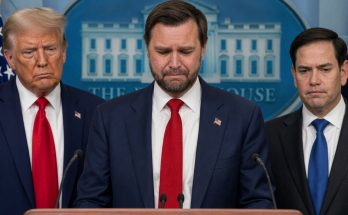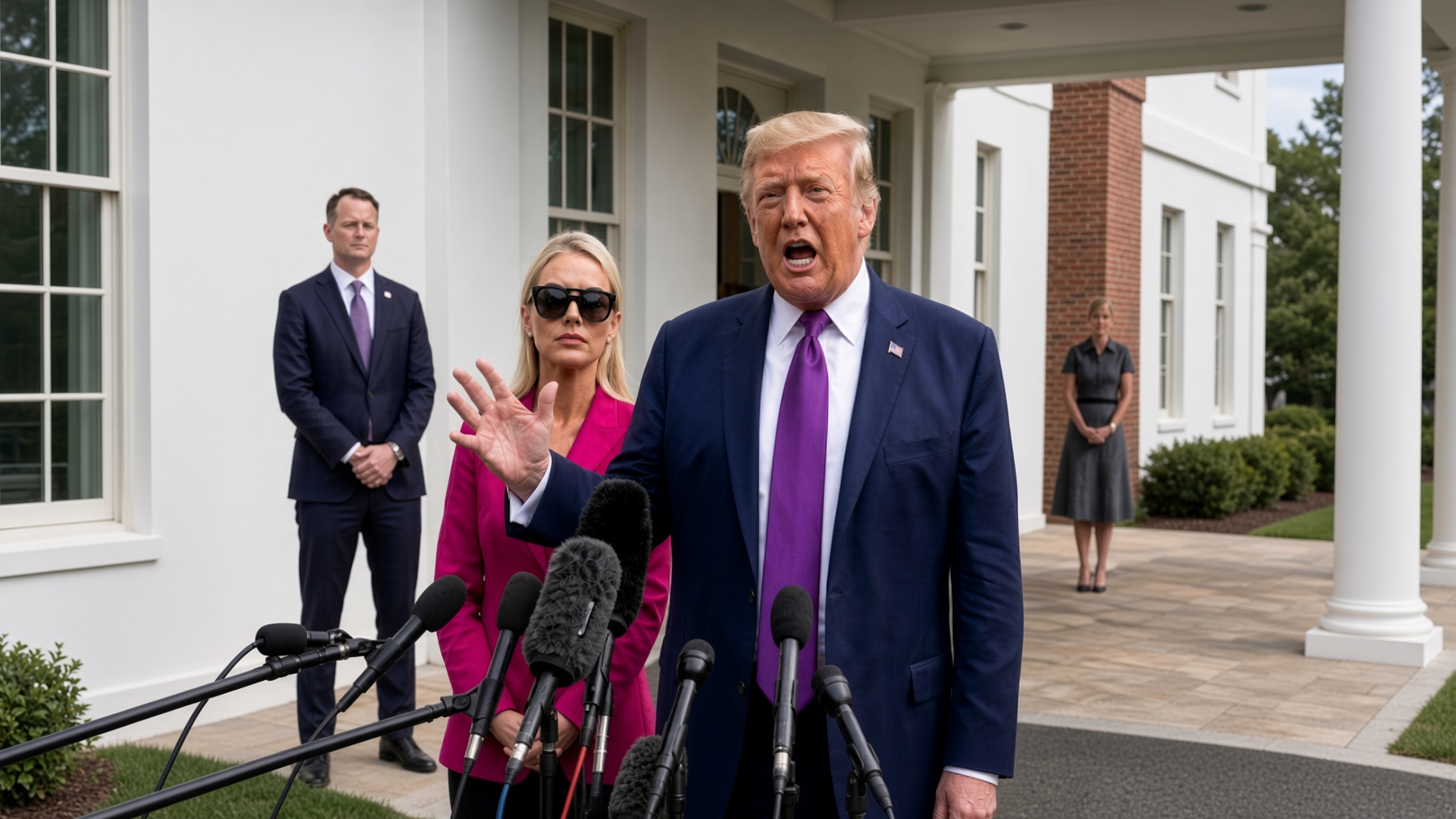
BREAKING NEWS: WASHINGTON – Former President Donald Trump became the first former U.S. president to face federal criminal charges stemming from alleged efforts to interfere with the transfer of presidential power following an election. The case, brought by the U.S. Department of Justice in 2023, centered on Trump’s actions after the 2020 presidential election and allegations that he sought to prevent the lawful certification of the results. A federal grand jury in Washington, D.C., indicted Trump on four felony counts in August 2023. The charges included conspiracy to defraud the United States, conspiracy to obstruct an official proceeding, obstruction and attempted obstruction of an official proceeding, and conspiracy against rights.
Prosecutors alleged that Trump and his allies pursued several avenues to challenge and ultimately prevent certification of the 2020 election results. The indictment described efforts involving state officials, alternate slates of presidential electors, the Justice Department and then-Vice President Mike Pence’s role in the January 6 certification proceeding. The prosecution argued that the conduct went beyond ordinary political advocacy and constituted criminal efforts to obstruct the constitutional process for counting and certifying Electoral College votes. Trump denied wrongdoing and maintained that he had been exercising his rights to challenge what he believed were irregularities in the 2020 election. His attorneys challenged the prosecution on constitutional and procedural grounds, including arguments concerning presidential immunity.
The case quickly developed into a major constitutional dispute over the limits of presidential authority. In 2024, the U.S. Supreme Court ruled that former presidents have immunity from criminal prosecution for certain official acts but do not receive the same protection for unofficial conduct. The decision required lower courts to examine which allegations involved official presidential actions and which involved conduct outside that protection. Prosecutors subsequently filed a superseding indictment in August 2024 that retained the same four criminal charges while revising portions of the allegations in light of the Supreme Court’s ruling. The filing continued to describe alleged efforts involving alternate electors and attempts to influence the January 6 certification process.
Trump’s Return to Presidency Halts Case
The legal proceedings were ultimately overtaken by Trump’s return to the presidency. After Trump won the 2024 presidential election, Special Counsel Jack Smith’s office moved to dismiss the federal election case in November 2024, citing the Justice Department’s longstanding position that the Constitution prevents the federal indictment and prosecution of a sitting president. The dismissal meant the allegations were never resolved through a federal criminal trial against Trump. The case nevertheless generated extensive debate over the relationship between presidential power and criminal accountability. Supporters of the prosecution argued that former presidents should remain subject to federal criminal law when accused of conduct outside legitimate presidential authority. Critics argued that prosecuting a former president could create serious constitutional and institutional consequences and raised concerns about how criminal law might be applied to future political disputes.
Those competing interpretations reflected a broader question at the heart of the case: how should the legal system distinguish between legitimate presidential decision-making, political activity and conduct that can be prosecuted as a crime? The 2020 election itself also remained central to the allegations. Trump and his allies challenged election results in several states through lawsuits and other political efforts. Courts rejected numerous challenges, while election officials and other authorities repeatedly reported that they had not found evidence of widespread fraud sufficient to change the certified outcome. The federal case therefore became about more than the individual allegations against Trump. It raised questions concerning the peaceful transfer of presidential power, the constitutional role of Congress in certifying elections, the limits of executive authority and the circumstances under which a former president may be prosecuted for conduct connected to his time in office.
Case Legacy and Constitutional Questions
Although the federal election case was dismissed after Trump returned to the White House, its legal issues remain significant. The Justice Department’s final report on the investigation documented the prosecution’s allegations and explained the decision to end the case after Trump’s reelection. The proceedings ultimately ended without a trial or verdict on the federal election charges. Nevertheless, the case established an important chapter in American legal history, particularly concerning presidential immunity and the boundaries between official presidential authority and potentially criminal conduct. Its legacy is likely to remain part of continuing legal and constitutional discussions about presidential power, accountability, elections and the peaceful transfer of authority in the United States.