In today’s light-speed digital arena, where algorithms prioritize engagement and information travels faster than thought, even a minor alteration in the public schedule of a prominent figure can trigger a seismic wave of speculation. This phenomenon was vividly illustrated recently when a standard scheduling adjustment for former U.S. President Donald Trump was instantly warped into a full-blown medical crisis, fueling a storm of unverified claims across social media platforms. The scenario serves as a stark case study in modern media dynamics, highlighting how quickly unchecked narratives can solidify into perceived truths and the unique challenges faced when managing the intersection of high-stakes politics, individual privacy, and the digital public square.
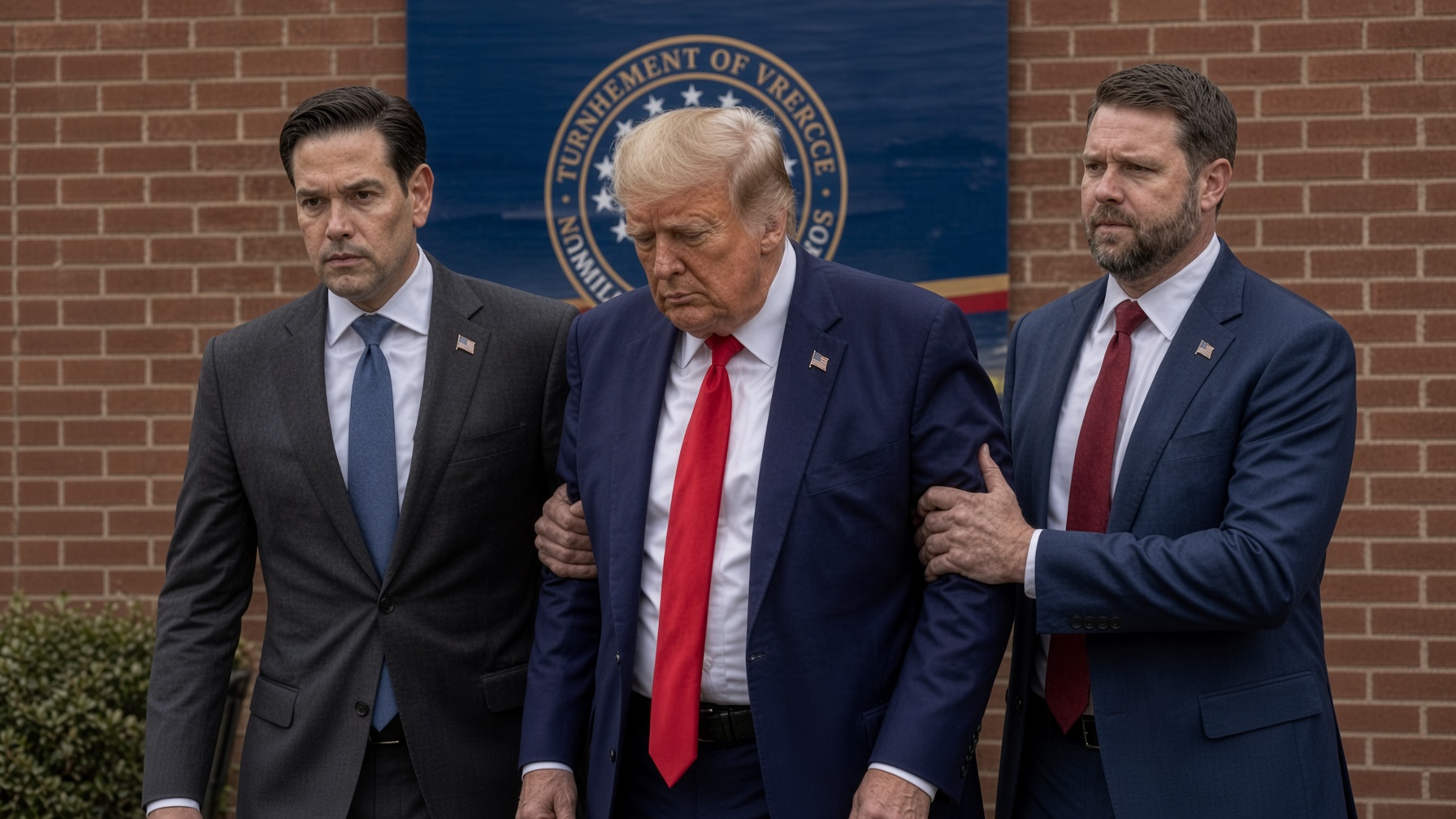
The chain of events began with a routine announcement that Donald Trump would be unable to attend certain planned events. For a figure defined by an nearly relentless public presence, any deviation from established routines inevitably invites scrutiny. In the absence of an immediate, detailed explanation for the change, a void was created-and in the digital age, a void is rarely left unfilled. Online platforms, particularly X (formerly Twitter) and Facebook, began to buzz. What started as questions quickly morphed into assertions. Without any verified sources or supporting evidence, posts began to circulate suggesting a medical emergency. Soon, a specific narrative took hold: claims that the former president had been admitted to Walter Reed National Military Medical Center. This specific detail, despite being entirely unsubstantiated, provided a focal point that allowed the speculation to gain rapid, global traction.
One of the most defining aspects of this situation was the role played by social media algorithms. Designed to maximize user interaction and time spent on the platform, these algorithms naturally amplify content that generates a strong emotional response, whether it’s anxiety, anger, or even excitement. Posts detailing the alleged hospitalization, regardless of their factual basis, generated tremendous engagement-shares, comments, and likes. This created a self-reinforcing loop: as more people engaged with the topic, the algorithms showed it to more users, dramatically accelerating its reach and giving unverified claims the appearance of a major, breaking news story.
Understanding the Role of Algorithms and Misinformation
This speed is a double-edged sword. While it allows for rapid information sharing, it also compresses the time available for fact-checking and critical reflection, creating a perfect storm for the dissemination of misinformation. As the speculative narrative intensified, threatening to influence public perception on a larger scale, official representatives were forced into action. They issued a clear, direct statement clarifying that the rumors of hospitalization were entirely inaccurate. Officials emphasized that there had been no medical emergency and that Donald Trump remained at his residence, actively continuing his responsibilities. This intervention was crucial. By providing definitive, verifiable information, authorities sought to introduce factual clarity and dispel the groundless claims. It was an essential move to reassure supporters and reset the media narrative.
While this specific rumor was false, public interest in the health of any former or current president is not unexpected. Over the years, updates have been shared about Donald Trump’s health. For example, it was previously disclosed that he has chronic venous insufficiency-a relatively common condition, especially among older adults, that affects vein valves in the legs and circulation. Importantly, recent updates have not indicated any significant change in this condition, nor did officials suggest that it was related to the recent speculation. Understanding this background helps put health discussions into context, distinguishing between ongoing, managed conditions and sudden, urgent crises.
The Importance of Media Literacy and Verification
The incident serves as a critical reminder of the responsibilities that come with navigating the digital information landscape. It underscores the value of verified information and the danger of sharing unconfirmed claims, particularly regarding sensitive topics like personal health. For traditional media outlets, the lesson was one of responsibility: several established organizations chose not to report on the rumors until they could be verified, adhering to the principle of accuracy over speed. For the public, it highlights the need for media literacy-the ability to critically evaluate the source and credibility of information. By waiting for official confirmation and relying on reputable sources, individuals can help mitigate the spread of misinformation and ensure that public discourse is based on fact, not friction-fueled fantasy.