
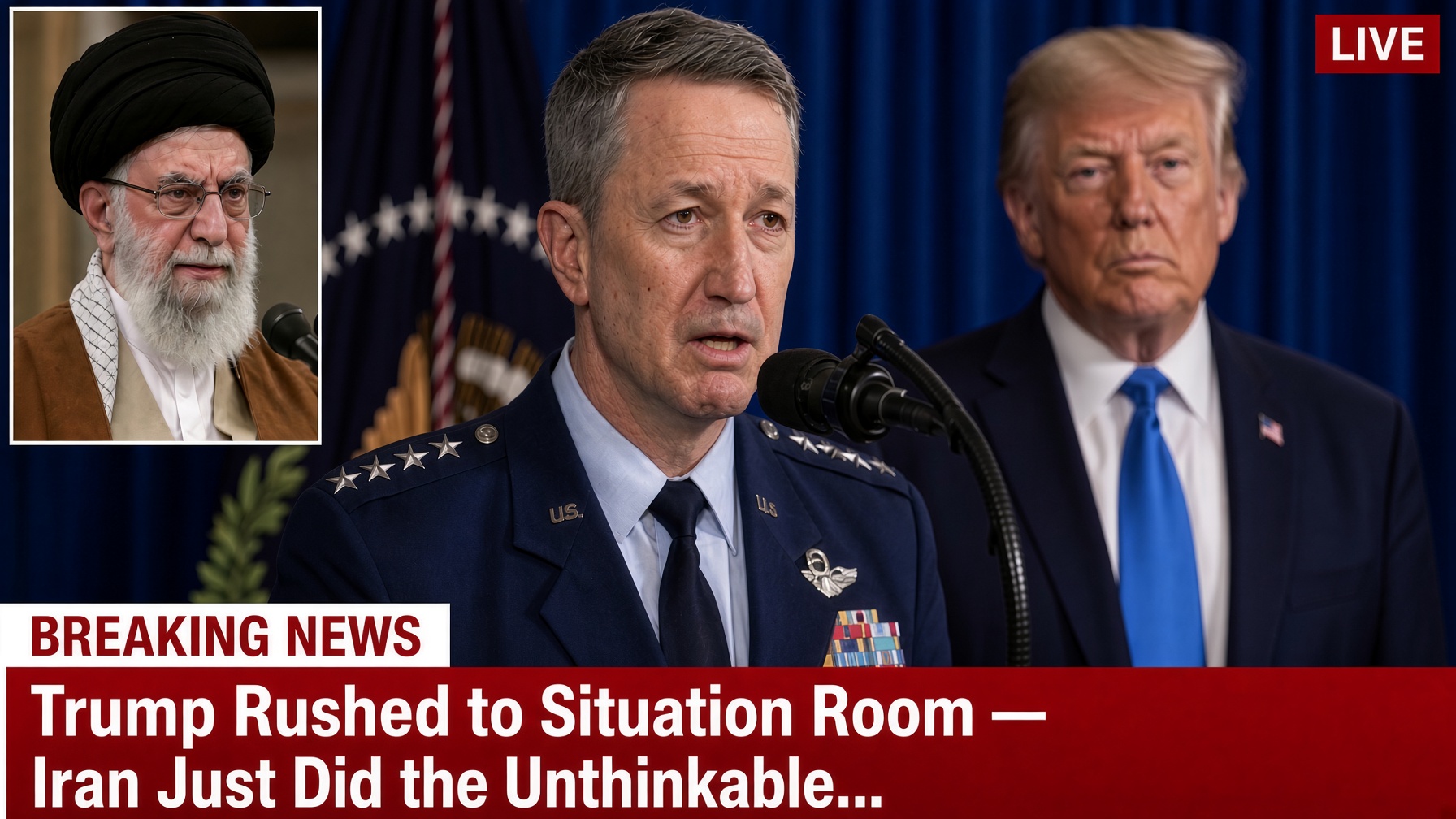
The United States and Saudi Arabia conducted military strikes against Iranian-backed targets in Iraq on Tuesday after Iran’s Islamic Revolutionary Guard Corps reportedly launched multiple ballistic missiles at American forces in the Middle East.
According to U.S. Central Command, all incoming missiles were successfully intercepted at approximately 5:45 p.m. Eastern time. American forces remained on heightened alert following the reported attack.
What Happened
The Iranian missiles targeted U.S. military positions across the region, prompting an immediate defensive response from American air defenses. CENTCOM confirmed that no American personnel were harmed during the interception of the incoming fire.
Following the missile launch, U.S. and Saudi fighter aircraft conducted precision strikes against facilities in eastern Iraq linked to IRGC-directed militant operations. The targeted locations were reportedly associated with weapons storage and logistics hubs used by Iran-aligned groups.
Military officials stated the strikes targeted infrastructure connected to more than 30 drone attacks carried out against American forces during the previous 72 hours. The operation marked significant military coordination between Washington and Riyadh against Iranian-backed militant networks.
Escalating Tensions
The reported missile launch represents a direct attack from Iranian territory, marking a potential escalation beyond proxy operations conducted through regional armed groups. Iran-aligned militias in Iraq have conducted hundreds of attacks against U.S. facilities and personnel in recent months, according to American officials.
U.S. officials have consistently accused Iran of supporting armed groups capable of launching drone, rocket and missile strikes against American targets. Iranian officials have historically disputed claims that Tehran directly controls all operations by regional groups aligned with its interests.
Saudi Arabia’s participation in the retaliatory strikes signals deepened military coordination with the United States. Riyadh has long viewed Iranian influence and Tehran-backed armed groups as major regional security threats.
What Comes Next
The confrontation has entered a phase where military action and diplomatic channels operate simultaneously, with U.S. officials maintaining they remain open to negotiations with Tehran. The Trump administration has warned that continued attacks against American forces or critical infrastructure will trigger forceful military responses.
Whether the latest strikes prevent further attacks or trigger additional retaliation cycles remains unclear. Regional governments and international observers are closely monitoring developments as military tensions remain elevated across the Middle East.
This story has been updated. CNN’s reporting staff contributed to this report.